A Natural Take on New Year’s Resolutions: Make the Most of Our Marshlands
by Lynette Brasfield
At this resolution-writing time of year, I’ve decided to set the kinds of goals for myself that come, well, naturally, in place of the usual ones that seem to demand various forms of unpleasant self-sacrifice. No, thank you.
So instead, in 2027, I plan to improve my plant and wildlife observation and identification skills and find new ways to enjoy all that our surrounding wilderness areas offer. What’s more, I want to work harder to share my delight in our environment with family and friends.
If you feel the same, here are a few ideas inspired by my recent visits to the San Joaquin Marsh and Upper Newport Bay.
First, some background. In the 1800s, vast Irvine Ranch marshlands stretching from Newport Bay to Red Hill were home to millions of tree frogs, whose cacophonous croaking helped travelers skirt the pungent wetlands on dark, moonless nights.
Today, 500 acres of that land are preserved as the San Joaquin Marsh, thanks in part to Irvine Company, which in 1988 dedicated the area to permanent open space and public benefit under the ownership of the Irvine Ranch Water District and gave $12 million toward restoring the marsh.
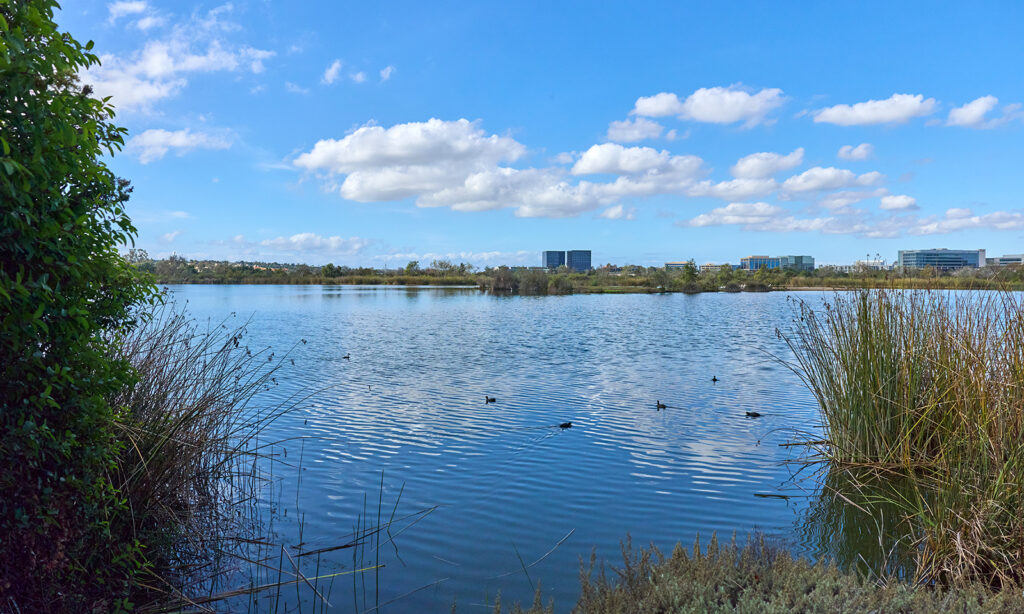
These days, twitchers, listers, birders and everyday bird-watchers flock to the marsh and Upper Newport Bay Nature Preserve to observe the plentiful avian wildlife that flies over, mates, wades and nests in these remarkable wet wonderlands.
Winter is a particularly exciting time at the marsh as birds from colder climates arrive to spend the season here, along with year-round species including hawks, owls and ospreys. There are plentiful insects, arachnids and amphibians to be discovered, as well.
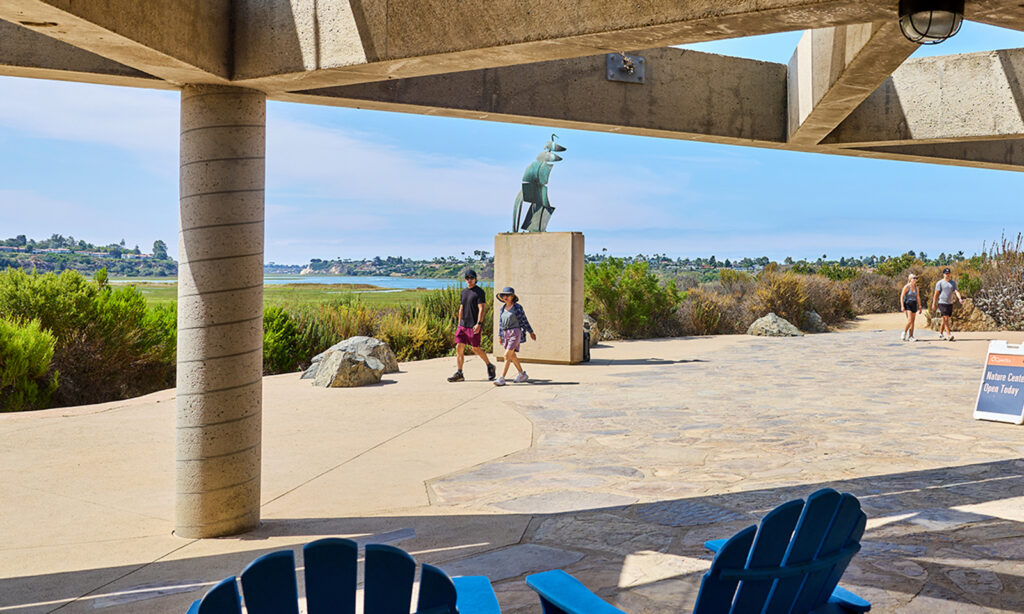
Overlooking Upper Newport Bay Nature Preserve (better known as Back Bay), you might spot showy vermilion flycatchers, snowy egrets, spotted towhees, warblers and colorful cinnamon teals. Godwits, curlews and willets — along with lordly herons and elegant avocets — also enjoy the estuary.
If you’re extraordinarily lucky, you might see rare Ridgway’s rails, though only one pair has been sighted since 2016.
Thrillingly, Back Bay is also home to one of the largest populations of southwestern pond turtles, the only native freshwater turtle species in Southern California. They rely for nutrition and nesting on the marshlands, cattails and bulrushes that grow alongside the freshwater ponds.
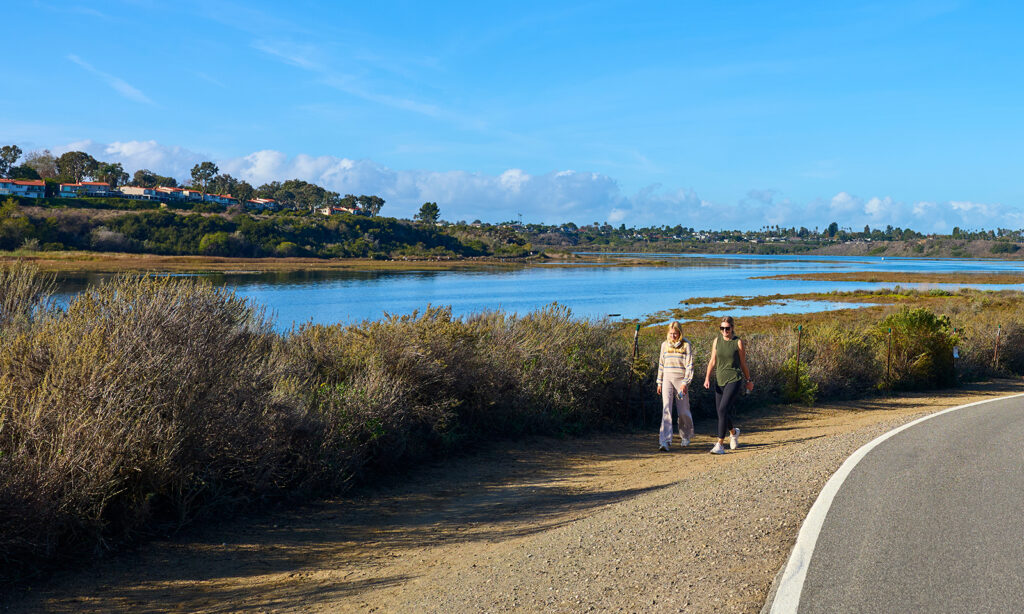
To take advantage of this splendid natural resource, you might want to invest in an app or book of Southern California birds, wildlife and plants. Perhaps ask for binoculars as a Christmas gift. Maybe talk to a friend about signing up for one of the many bird-watching activities or native plant hikes listed on letsgooutside.org, or simply wander the trails that border these teeming wetlands.
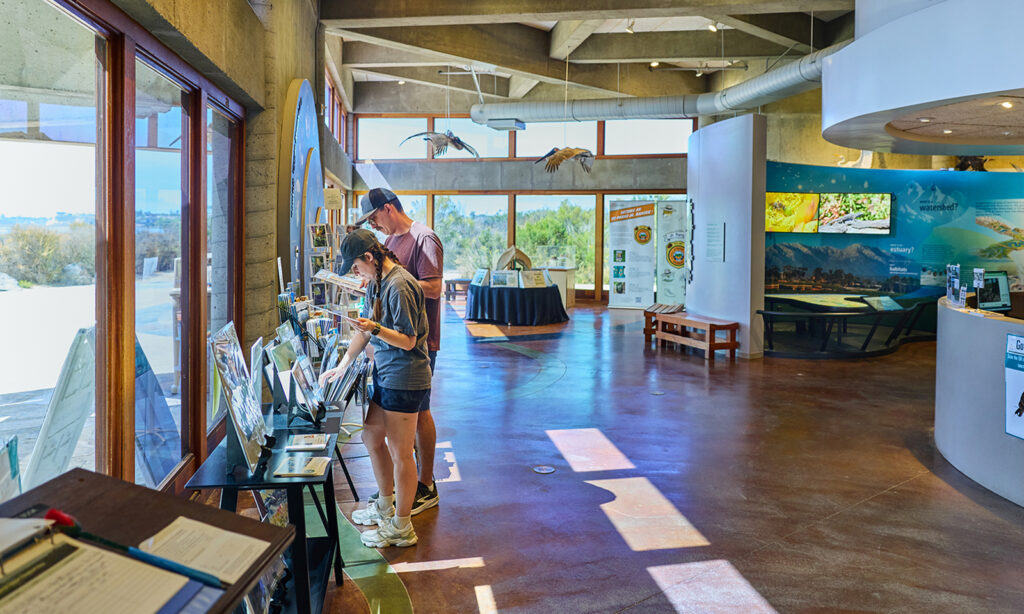
Hiking aside, the Peter and Mary Muth Interpretive Center offers kayaking and biking tours of Back Bay to observe wildlife up close. They have great activities for youngsters: Wild Tales and Critter Investigations for the 2–5 age group; Junior Ranger Adventures for older kids; activities for artists, would-be scientists and even dog lovers. I find that noting down the dates and times for classes in the next quarter helps motivate me to sign up and attend. I’m definitely going to kayak in 2027.
For my 7- and 8-year-old granddaughters, who visit a couple of times a year, I’m planning to create bingo cards by downloading photos of birds, plants and wildlife. I’ll encourage them to write notes about or sketch what they see. The displays inside the Muth Center will no doubt delight them, too. There’s something for everyone to enjoy, so close to home.
And if you want to imagine being an early settler in these parts, wait until February or so, when tree frogs emerge from their winter slumber. At night, it’s said that their cries are comparable to a vacuum cleaner or lawn mower — which explains why they were so effective in warning travelers not to get themselves mired in the marsh.
See you there!
Local Nature & Wilderness Stores to Shop This Season
Consider visiting a few of our region’s nature center gift shops for your holiday list. These nonprofit-run stores, located on the historic Irvine Ranch, offer outdoor-inspired gifts while ensuring 100% of proceeds support the region’s open space preserves, environmental education and other causes.
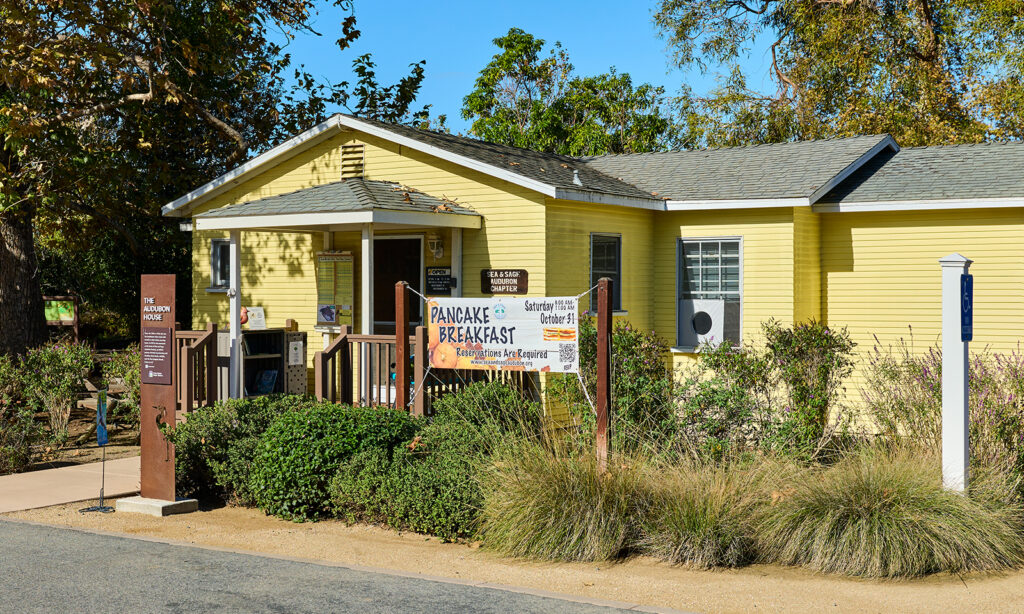
Sea & Sage Nature Store, Audubon House
San Joaquin Marsh Wildlife Sanctuary
This hub for bird lovers and marsh explorers offers a distinctive selection of thoughtfully curated bird-themed gifts for all ages, including puzzles, books, nature guides, apparel and jewelry. Sales directly benefit the Sea & Sage Audubon Society, supporting wetland wildlife conservation, community bird walks and environmental education. 5 Riparian View, Irvine
The Park Store at Crystal Cove
Crystal Cove State Park
Located steps from the surf, this coastal shop offers vintage-style cottage artwork, marine-life field guides, park-branded outdoor apparel and gifts handcrafted by local artisans. All proceeds go to the Crystal Cove Conservancy to fund habitat restoration, historic cottage preservation and youth marine science programs. Crystal Cove State Park Historic District
Peter & Mary Muth Interpretive Center Gift Shop
Upper Newport Bay Nature Preserve
Overlooking Back Bay, this shop features trail maps, native flora-and-fauna field guides, nature-inspired jewelry, apparel and eco-conscious gifts for young wilderness explorers. Every purchase directly supports the Newport Bay Conservancy, funding estuary restoration, water-quality protection and outdoor educational tours for thousands of local students annually. 2301 University Drive, Newport Beach